 Image 1 of 1
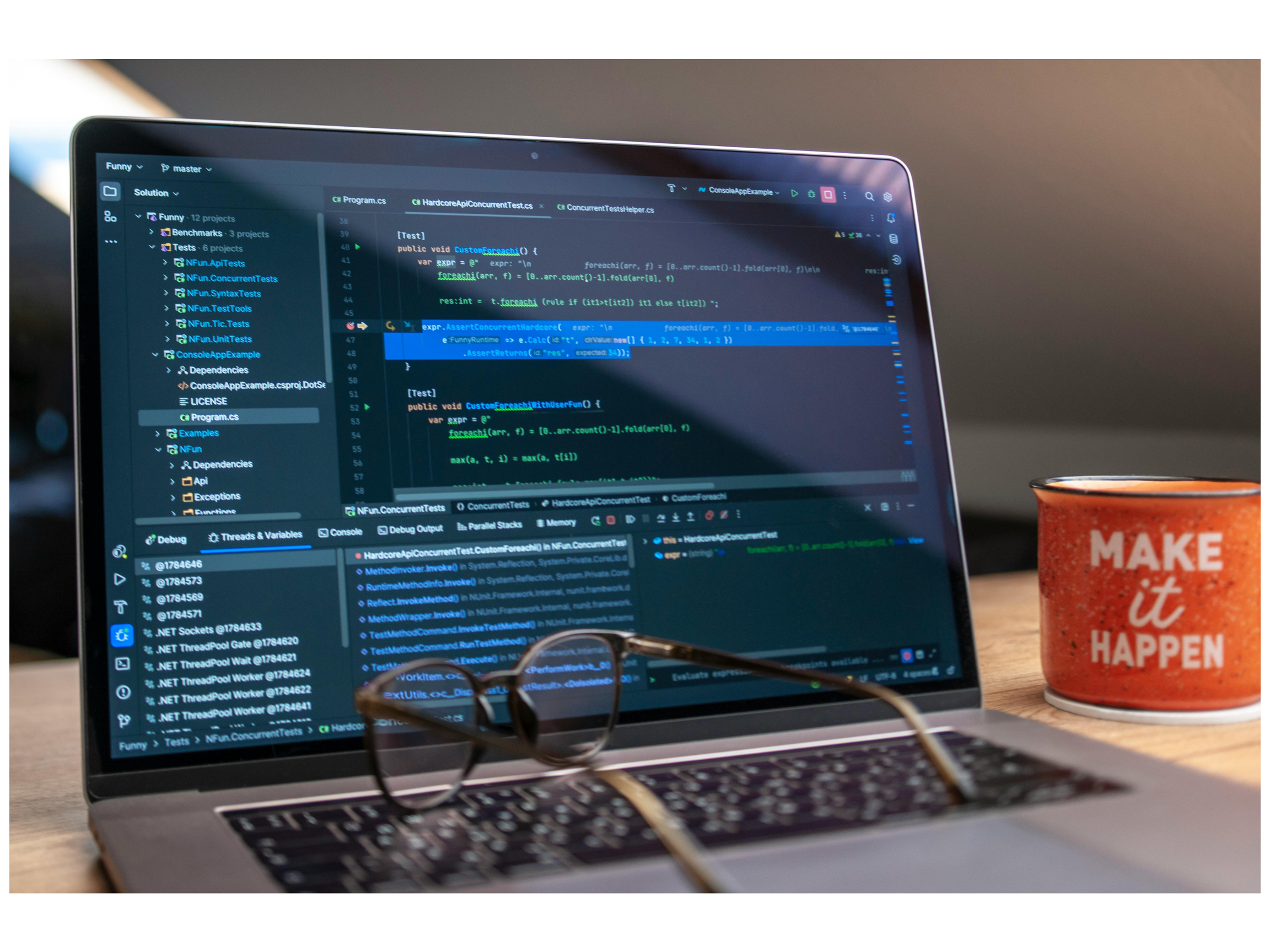
Through live coding, guided exercises, and interactive challenges, students learn not only from the instructor but also from observing how others approach the same problem.
This dynamic program is designed for students in Grades 6–9. In this interactive course, young learners will transition from block-based coding to real programming with Python.
This program focuses on how coding works, not just what to type. Students learn to think logically, break down problems, and build working Python programs through hands-on activities and guided instruction.
• Format: Live, instructor-led (Zoom)
• Schedule:
Saturday, April 11, 2026
Saturday, April 18, 2026
Saturday, April 25, 2026
2:00 - 4:00 PM
COURSE CONTENT
Session 1 – Python Foundations
Introduction to text-based programming,
variables, data types, and user input.
Students build a simple interactive Python program.
Session 2 – Logic & Computational Thinking
Conditions, loops, and breaking problems
into logical steps. Guided coding
challenges and live exercises.
Session 3 – Functions, Debugging & Projects
Writing simple functions, debugging
strategies, and a final mini-project with
student walkthroughs.
All materials will be provided. Students only need a laptop, desktop, or tablet to participate. There are no additional fees or HST—everything is fully covered.
This dynamic program is designed for students in Grades 6–9. In this interactive course, young learners will transition from block-based coding to real programming with Python.
This program focuses on how coding works, not just what to type. Students learn to think logically, break down problems, and build working Python programs through hands-on activities and guided instruction.
• Format: Live, instructor-led (Zoom)
• Schedule:
Saturday, April 11, 2026
Saturday, April 18, 2026
Saturday, April 25, 2026
2:00 - 4:00 PM
COURSE CONTENT
Session 1 – Python Foundations
Introduction to text-based programming,
variables, data types, and user input.
Students build a simple interactive Python program.
Session 2 – Logic & Computational Thinking
Conditions, loops, and breaking problems
into logical steps. Guided coding
challenges and live exercises.
Session 3 – Functions, Debugging & Projects
Writing simple functions, debugging
strategies, and a final mini-project with
student walkthroughs.
All materials will be provided. Students only need a laptop, desktop, or tablet to participate. There are no additional fees or HST—everything is fully covered.
Through live coding, guided exercises, and interactive challenges, students learn not only from the instructor but also from observing how others approach the same problem.